


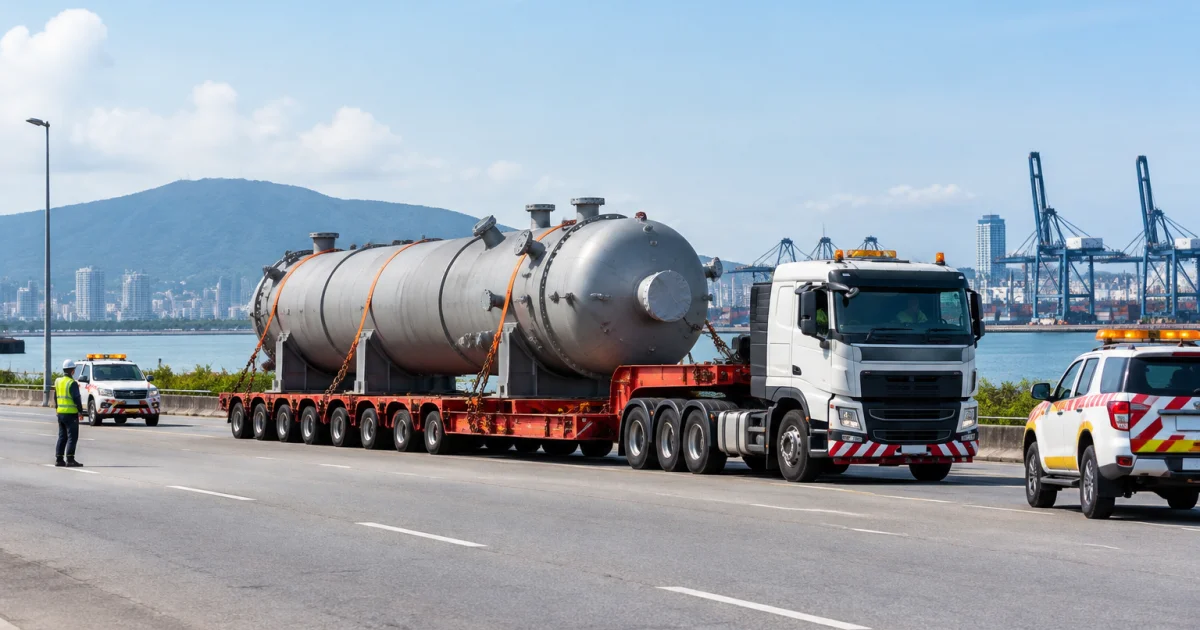
Across Penang’s industrial corridors, more project teams are treating heavy haulage as a critical path item rather than a last-minute booking. When a factory relocation overlaps with machinery commissioning, civil works, and logistics constraints, low loader availability and the right trailer configuration can decide whether a shutdown window stays on schedule.
This logistics update looks at how Low Loader Penang demand is shifting for factory relocations and oversized machinery moves, what it means for planners and logistics operators, and how to reduce friction from site survey to final positioning. The goal is practical: help you anticipate constraints, ask better questions during quotation, and choose the right mix of transport and lifting equipment for the move.
What’s driving the shift in low loader demand in Penang
Penang’s relocation and heavy-move workload is rarely “transport only.” Moves often bundle multiple scopes: decommissioning, rigging, loading, road transport, offloading, skidding into position, and sometimes follow-on access work or crane lifts. As projects become more integrated, low loader demand changes in three noticeable ways: earlier booking needs, more variation in trailer types, and greater emphasis on coordination.
1) Factory relocations with tighter shutdown windows. Many relocations are planned around limited downtime. Instead of spreading moves across several weeks, teams may compress activities into a few nights or weekends. That pushes low loader scheduling to align precisely with escort timing, site access, and lift crew availability.
2) Oversized and high-value machinery moves. Industrial machinery is not only heavy; it can be awkward: tall, long, top-heavy, or sensitive to tilt. That increases the importance of deck height, axle count, turning radius, and load securing method. It also increases demand for experienced operators who can execute safely and predictably.
3) More cross-border and multi-site project phasing. Even when a move is “within Penang,” it may connect to upstream staging from ports, warehouses, or temporary yards. For planners, that often means multiple legs: low loader to staging, staging to final site, and contingency moves if civil readiness changes.
4) Bundled equipment solutions. Low loader requirements frequently come together with a lorry crane for loading/unloading, a mobile crane for heavier picks, or a forklift for internal repositioning and palletized support items. Buyers increasingly prefer one provider that can coordinate these assets rather than manage several separate vendors.
Relocation timelines are changing: what this means for planners
When demand patterns shift, the impact is felt first in planning. Industrial project owners and logistics operators can reduce risk by adjusting timelines and decision gates. The main change is that “transport booking” is no longer the final step; it should be locked soon after the machinery list and route assumptions are clear.
For a typical factory relocation move, consider these timeline checkpoints:
- Early equipment list validation: confirm approximate weight, dimensions, center of gravity concerns, and whether the machine can be transported as-is or requires partial dismantling.
- Site readiness review: confirm hardstand areas, crane pad or trailer parking space, turning access for prime mover + trailer, and any height or width pinch points within the plant.
- Route and delivery window alignment: decide whether the move must happen at night, over weekends, or in phases to match escort and site access requirements.
- Lift plan alignment: confirm whether loading/offloading is done via lorry crane, mobile crane, gantry, or jacking-and-skidding methods.
If any of these items are still uncertain, quotations can vary widely because the provider has to price in risk and contingency. A clearer scope often translates into smoother scheduling and fewer on-the-day changes.
How to choose the right low loader setup for oversized machinery
“Low loader” is a category, not a single solution. The most suitable configuration depends on the load’s weight distribution, overall dimensions, and the site/route constraints. In commercial investigation terms, this is where buyers can make smart trade-offs: spend time specifying correctly now, or spend money and time later resolving mismatches.
Axle count and load distribution
Axle selection is more than a capacity number. It influences ground pressure, stability during cornering, and how the load sits on the deck. For many industrial moves, a 4-axle or 5-axle low loader is considered because it supports higher gross loads and spreads weight more effectively—especially useful when the machinery has concentrated point loads.
If you already know your preferred configuration, you can review options via the relevant fleet categories, such as 4-axle low loaders or 5-axle low loaders. Seeing the category helps align terminology and expectations during discussions.
Deck height, clearances, and stability
Deck height affects route feasibility (bridges, overhead structures, and plant doorway clearances) and stability (a lower center of gravity is generally safer for tall loads). If the machinery is high or top-heavy, a lower deck can be a major advantage. However, very low decks may bring other constraints, such as ramp angles and ground clearance at site entrances.
Self loader vs low loader: reducing reliance on external lifting
For certain loads, a self loader can reduce dependence on cranes during loading/unloading. That can be attractive when site crane access is constrained or when you want to minimize coordination across multiple parties. For fleet context and typical applications, you can compare options under Self Loader or the broader Low Loader Self Loader category.
That said, many factory relocation moves still require dedicated lifting or rigging. A self-loading option is not automatically “better”; it’s a fit-for-purpose tool depending on load geometry, site slope, and required precision at placement.
Load securing: treat it as part of the engineering, not an add-on
Chains, straps, edge protection, blocking, and tie-down points should be matched to the machinery’s structure. If a machine has sensitive panels or protrusions, the securing plan should avoid damage while still meeting stability needs. Buyers can help by clarifying:
- Where the machine can be lifted or tied (approved lugs, base frame points).
- Whether any components must be locked, braced, or removed for transport.
- Whether the machine has vibration/tilt sensitivity that changes driving or ramp approach.
Coordination is the new bottleneck: transport, cranes, forklifts, and access equipment
In practice, low loader demand doesn’t shift alone. It moves together with the availability of supporting equipment and skilled operators. If your project includes both haulage and lifting, the critical question becomes: can the schedule align across the full chain?
Here are common combinations seen in factory relocation and oversized machinery moves:
- Low loader + lorry crane: useful when the load can be lifted at pickup and set down at destination without mobilizing a larger crane. It can also support smaller ancillary lifts (frames, parts, crates) on the same day.
- Low loader + mobile/rough terrain crane: preferred for heavier picks, longer radius requirements, or when placement must be highly controlled. Crane selection depends on lift weight, radius, and site ground conditions.
- Low loader + forklift support: valuable when the project includes pallets, tooling, electrical cabinets, or skids moving around a warehouse or plant. If your internal handling needs are significant, planning ahead for forklift availability (and the right tonnage) can prevent bottlenecks.
- Low loader + skylift: sometimes overlooked, but relocations often include overhead works such as disconnecting services, removing cable trays, signage, lighting, or preparing overhead clearance routes inside a facility.
These combinations matter because they change how you sequence the move. For example, if a lorry crane is used for offloading, you may need a larger staging area for crane setup and outrigger clearance. If a forklift will handle the last 30 metres, you need suitable flooring, turning space, and a handover point where the load can be safely transferred.
For project teams that want to understand how lifting support can streamline site work, this guide is a useful reference: How Lorry Cranes Make Construction Projects In Penang Easier. Although written with construction in mind, many of the coordination principles apply directly to machinery moves and industrial installations.
Practical planning checklist for smoother low loader bookings
If you are comparing providers or trying to lock a date, the fastest way to get accurate recommendations is to share the right inputs early. Below is a practical checklist you can use internally or send to your logistics partner.
Information to prepare before requesting a quotation
- Load details: estimated weight, dimensions (L x W x H), photos from multiple angles, and any known center-of-gravity concerns.
- Pickup and delivery constraints: site address, gate restrictions, operating hours, ground conditions, and whether there is a hardstand area for trailer parking and crane setup.
- Handling method: will you use a forklift, lorry crane, mobile crane, or jacking/skidding? Who supplies each piece of equipment?
- Timing: preferred date/time window, plus flexibility if rescheduling is needed.
- Route considerations: any known low clearances, tight corners, or restricted access points. If uncertain, request a site and route review rather than assuming.
Questions that reveal whether a provider is ready for complex moves
- What trailer configuration do you recommend (and why) for my load geometry?
- How will you manage loading/offloading at each site—what equipment and crew are included?
- What is the contingency plan if the site is not ready (e.g., crane pad not available, floor not cured, access blocked)?
- How do you verify equipment condition before deployment to reduce downtime risk?
These questions help you compare like-for-like proposals and avoid a common pitfall: selecting the lowest quote that later expands because key assumptions were missing.
Conclusion: plan low loader demand as part of your relocation strategy
Penang’s heavy-move environment is evolving toward more integrated, schedule-sensitive relocations. As a result, low loader demand is shifting from.
Frequently Asked Questions
How early should I book a low loader for a factory relocation in Penang?
As early as you can once the machinery list, approximate dimensions/weight, and preferred move window are known. Relocations often require coordinating the trailer, prime mover, loading/offloading equipment (lorry crane or mobile crane), and site access timing. Early booking also gives time for a site/route review and reduces the risk of last-minute schedule changes.
What’s the difference between a low loader and a self loader for machinery moves?
A low loader is primarily a transport trailer designed to carry heavy or oversized loads on a low deck. A self loader is typically configured to reduce reliance on external lifting during loading/unloading, which can help when crane access is limited. The best choice depends on the load geometry, site constraints, and how precise the placement needs to be.
Do I need a crane or forklift in addition to the low loader?
Often, yes. The low loader handles road transport, but you still need a method to load and offload the machinery. Depending on weight and site layout, this may be a lorry crane, mobile/rough terrain crane, or a forklift (commonly used for ancillary items or shorter internal moves). Planning these resources together helps avoid delays on move day.
What information should I prepare to get an accurate quotation for oversized machinery transport?
Prepare estimated weight, dimensions (L x W x H), photos, pickup/delivery addresses, site access constraints (gate width, turning space, operating hours), and your preferred handling method (crane, forklift, or other). If you have a tight shutdown window, include the exact time slot and any staging requirements.
Which Penang areas typically need careful access planning for low loader deliveries?
Any industrial zone with tight internal roads, limited turning radii, or constrained gate access can require extra planning. Whether you are moving near ports, warehouses, or industrial parks, it’s best to confirm trailer maneuvering space, hardstand condition, and internal route clearances inside the facility rather than assuming standard access.
Plan your next heavy move with Tw Dynamic
If you’re scheduling a factory relocation or oversized machinery move in Penang, Tw Dynamic can support your plan with low loader and self loader services, plus coordinating equipment such as lorry cranes, mobile/rough terrain cranes, forklifts, and skylifts.
Share your machinery dimensions, estimated weight, pickup/delivery constraints, and target dates—our team will help match the right trailer configuration and supporting equipment to reduce downtime risk and keep your move predictable.